Participatory health and climate learning with tribal women and grassroots leaders in the Nilgiris
Role: Advisor on Health & Climate Education
Keystone Foundation
Kotagiri, Nilgiris, India / 2025–Present
Keystone Foundation
Kotagiri, Nilgiris, India / 2025–Present
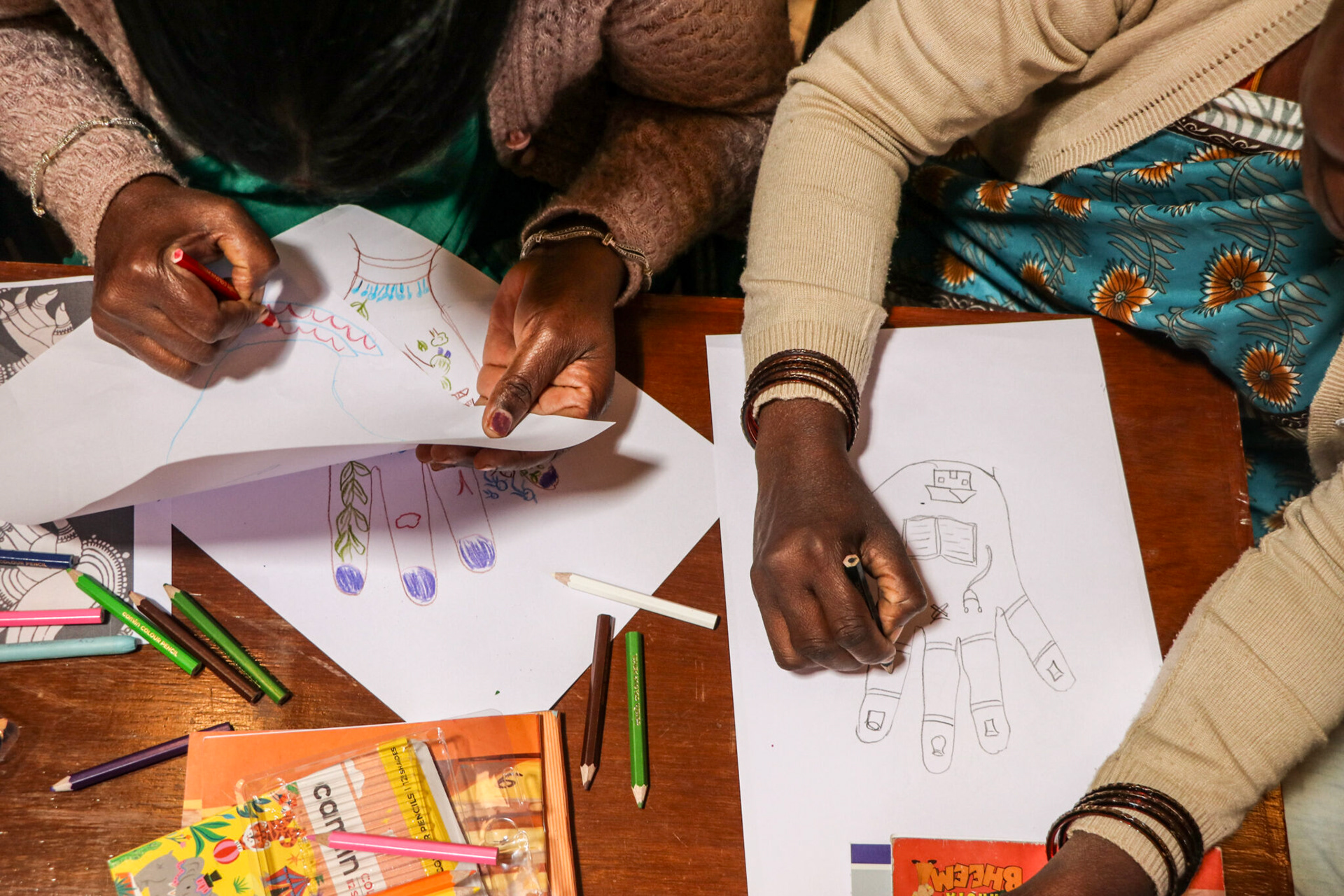
Photo by Anokha Venugopal
In partnership with grassroots leaders and tribal women in the Nilgiris, I co-designed and facilitated a participatory health and climate education initiative exploring the intersections of gender, land, climate resilience, and community wellbeing.
The project emerged from a shared question:
How can climate and health education be grounded in lived experience, cultural knowledge, and collective reflection rather than top-down information delivery?
Working alongside community members, we developed a workshop and educational modules that centered storytelling, mapping, dialogue, reflection, and artistic expression as tools for surfacing community priorities and strengthening collective knowledge about climate, health, and gender.
Objectives:
1. To recognize and support lived experience, caregiving labor, and traditional knowledge as sustaining health, food security, and environmental resilience in the face of climate change.
2. To demonstrate how health, climate, and gender intersect in daily life, especially around food, menstruation, care work, forest access, and healthcare (using the social determinants of health) + climate determinants (floods, heat, landslides)
3. To identify barriers and solutions to these issues.
Read more about the experience here:
Human-Centered & Participatory Design Approach
This work drew from participatory and human-centered design methodologies that prioritized lived experience as expertise, collaborative knowledge creation, culturally humble facilitation, and accessibility across language and literacy differences.
Rather than beginning with predetermined solutions or fixed educational outcomes, the workshop was designed as a collaborative learning and qualitative research space where climate and health community leaders could collectively examine how environmental change, land access, gendered labor, mobility, and health systems shape everyday life within their communities.
Importantly, this was the first time climate and health leaders participating in the initiative engaged in a shared participatory workshop space together.
The facilitation process integrated: narrative storytelling and story circles, visual mapping and systems reflection exercises, arts-based qualitative reflection activities, collaborative synthesis and dialogue, and multilingual participation approaches.
These methods were intentionally designed to support collective reflection, surface tacit and intergenerational knowledge, and create opportunities for participants to identify patterns and relationships across personal experiences and broader structural conditions.
Participatory Research & Insight Generation
Through the qualitative art-based exercise I developed, facilitated dialogue, and storytelling, participants identified:
1. local health concerns connected to environmental and climate-related change
2. barriers to transportation, healthcare access, and economic stability
3. intergenerational knowledge related to land, food systems, and wellbeing
4. community-led practices of resilience, mutual support, and caregiving
5. collective visions for expanded farming access and local food infrastructure
Rather than functioning as a static curriculum, the project contributes to climate & health community modules that each participant will take to their own villages. The modules are informed by the stories, reflections, facilitation methods, and locally grounded climate and health knowledge that each community can continue adapting and sharing over time.
Below are mapping activity examples from the Executive pitch deck versus the actual workshop mapping activity, and some artworks that present barriers and collective visions.
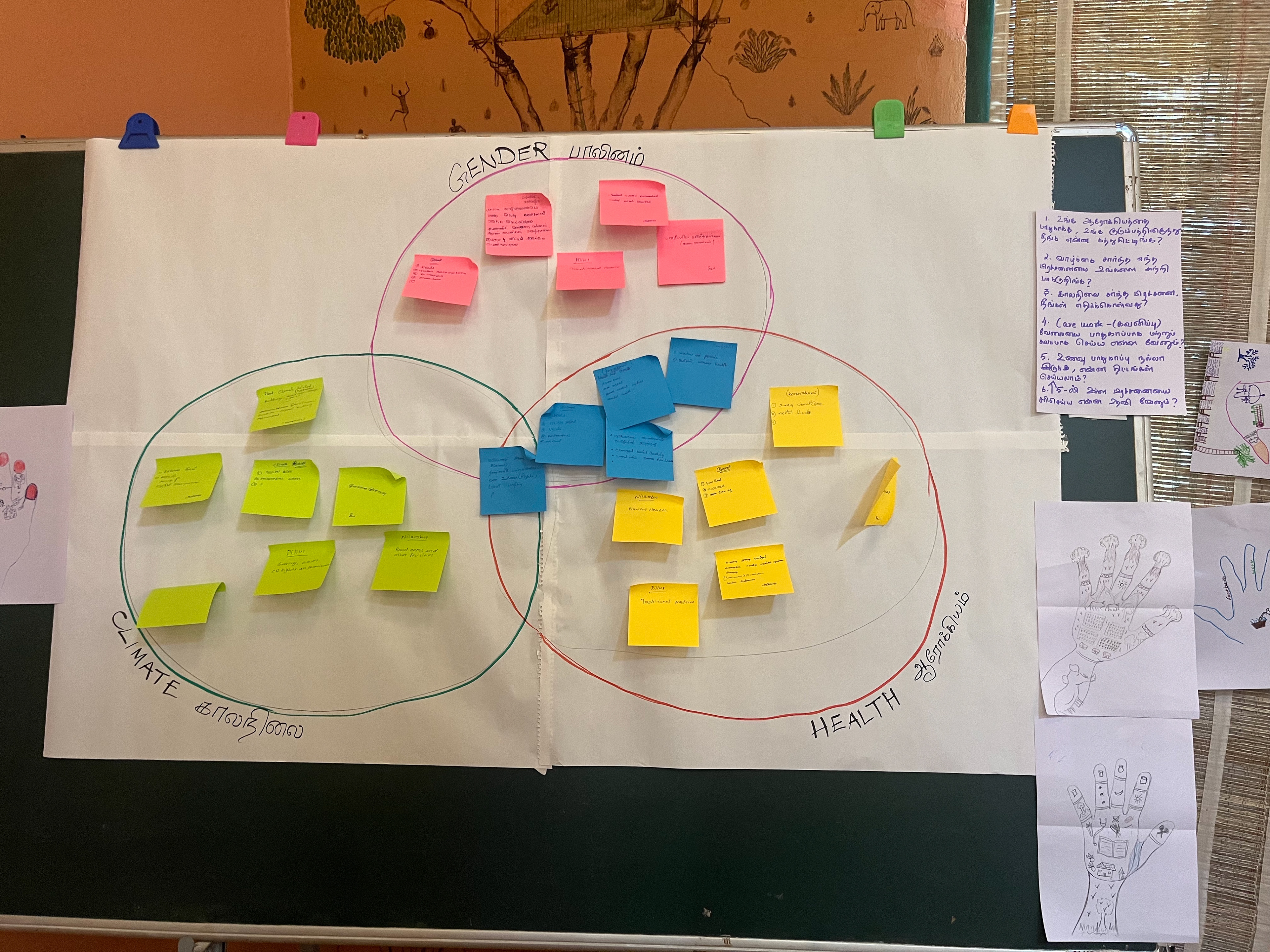
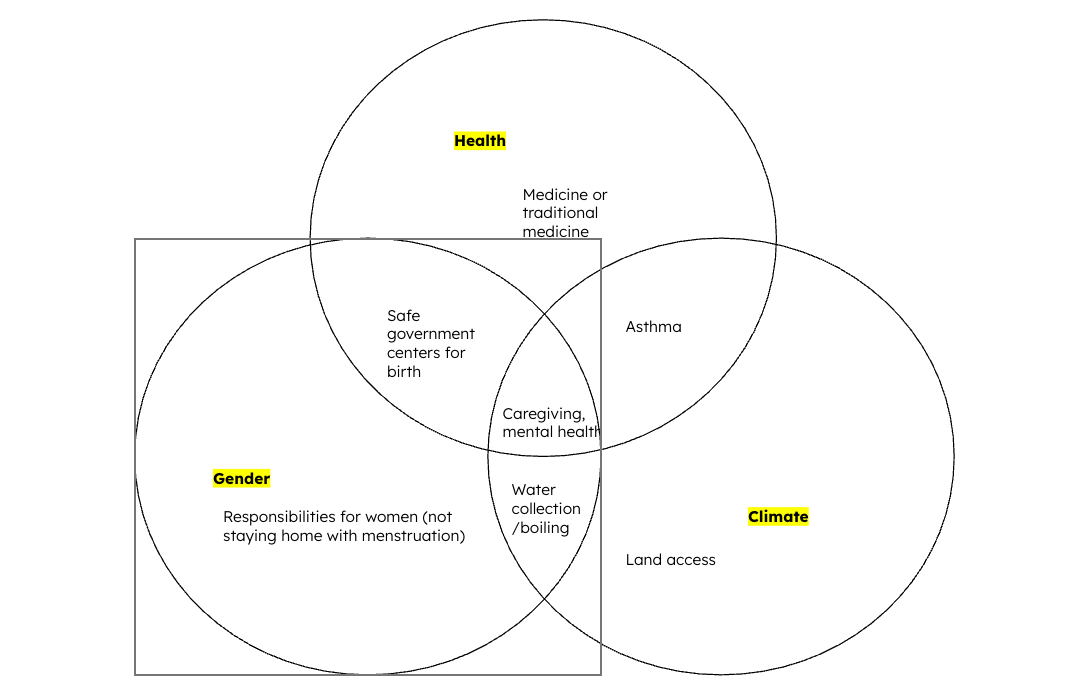
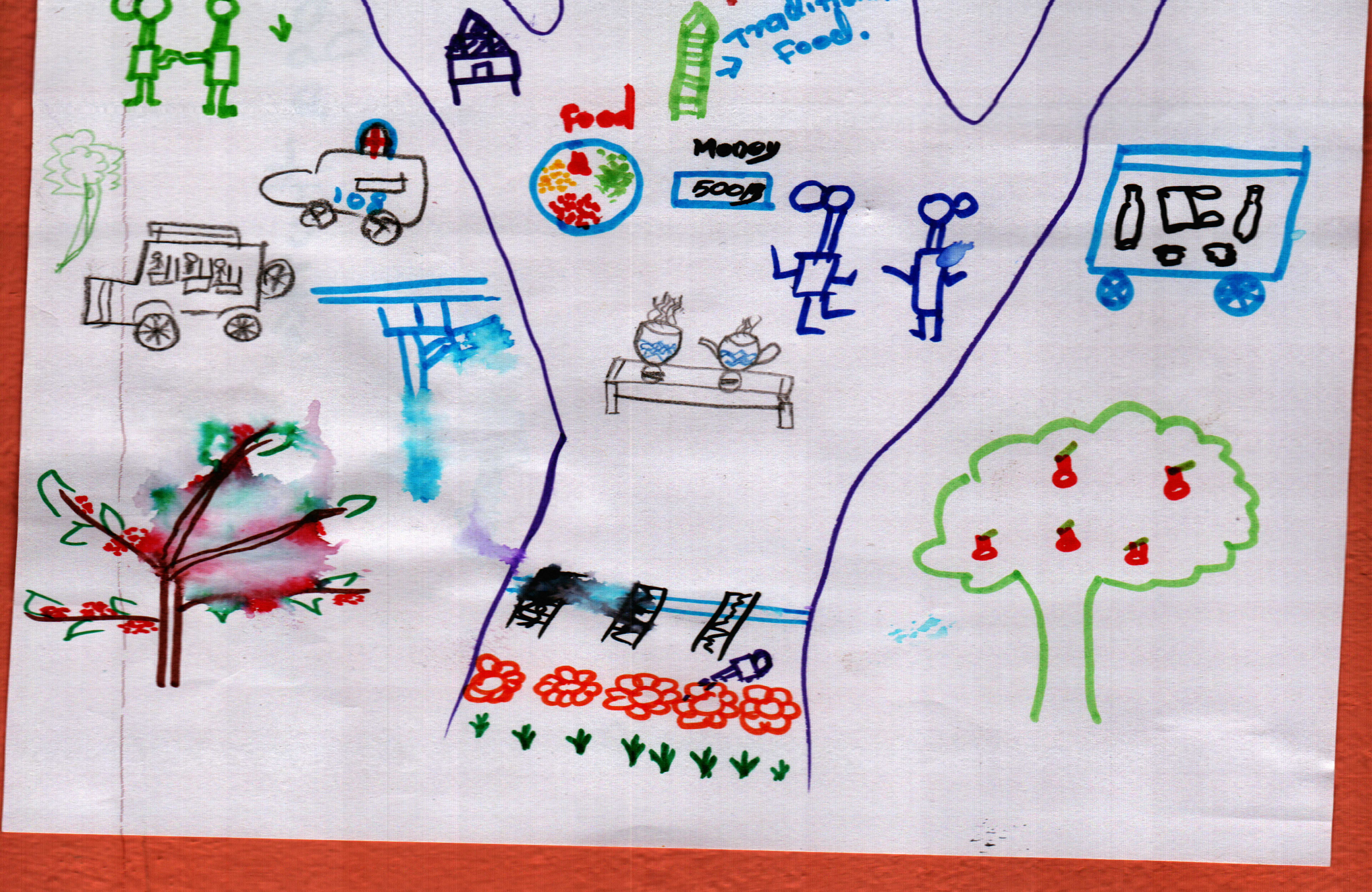
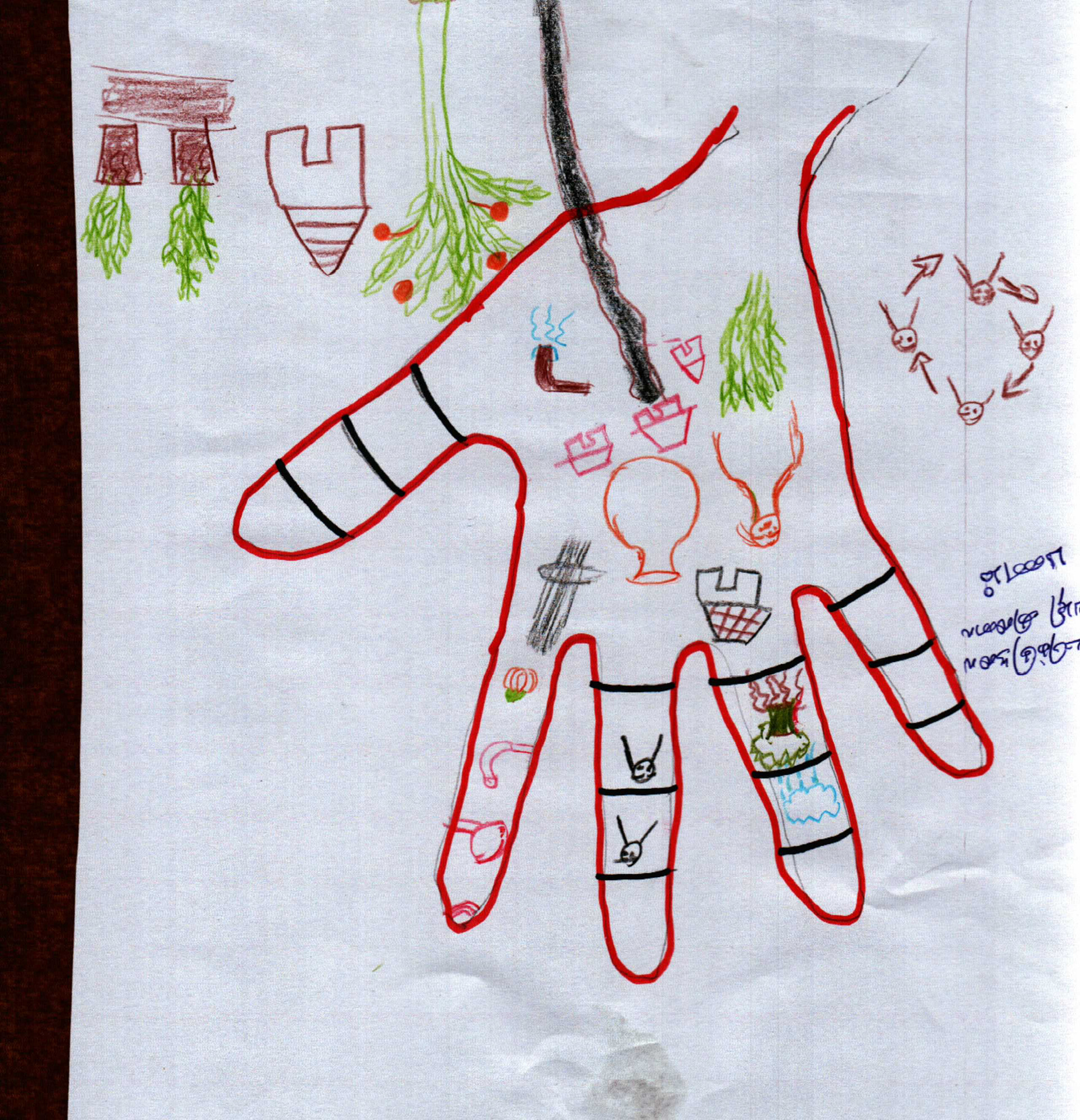
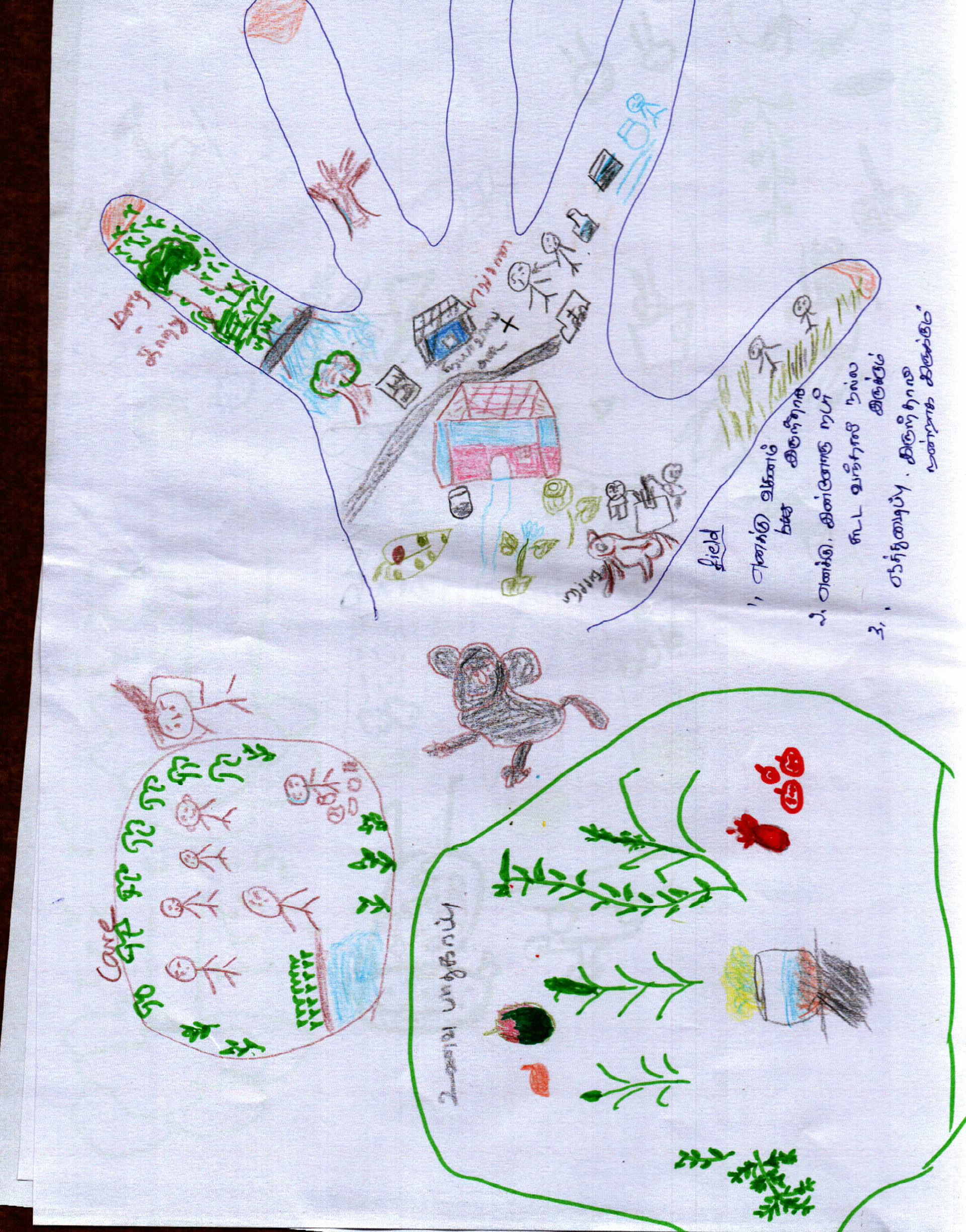
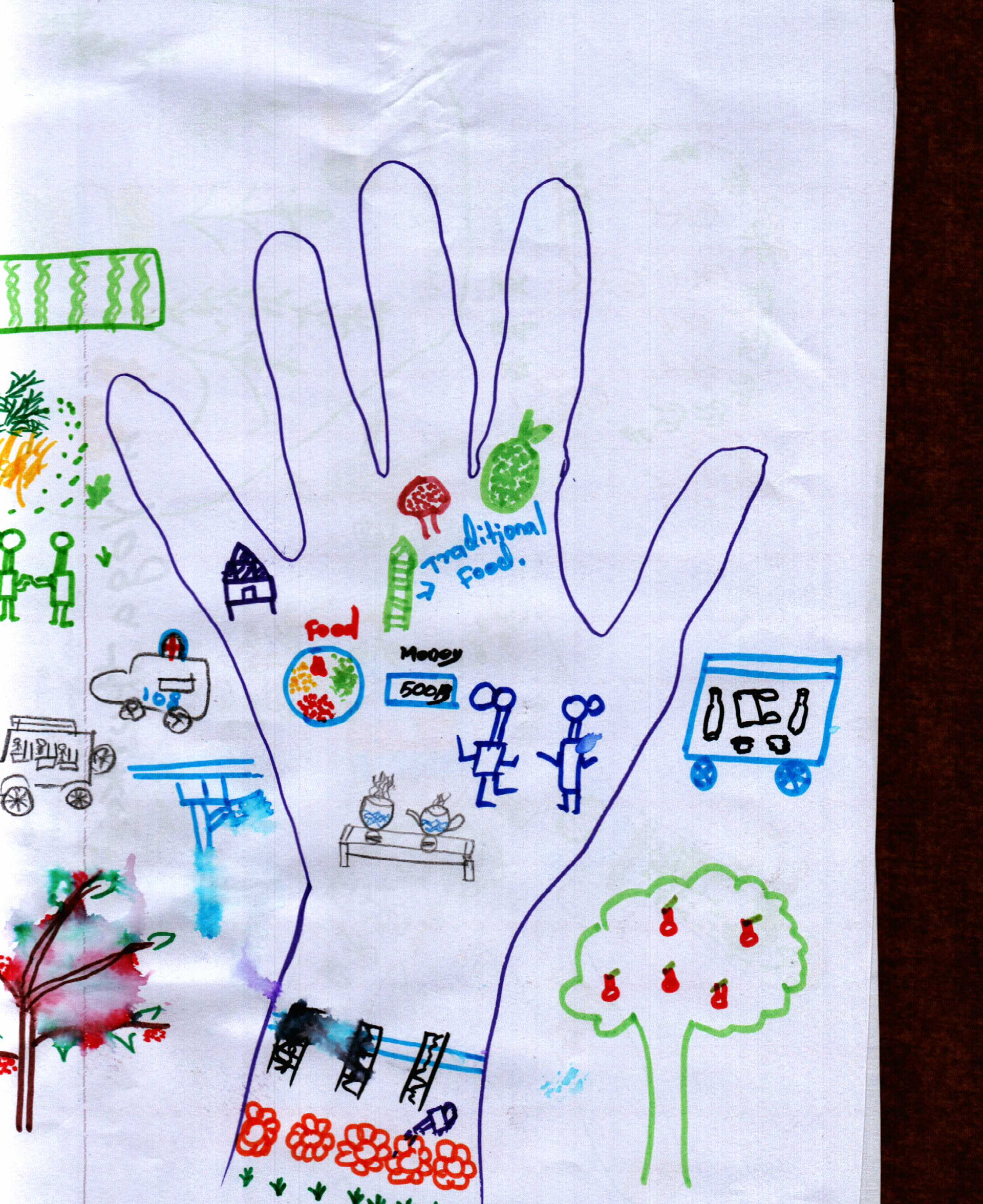
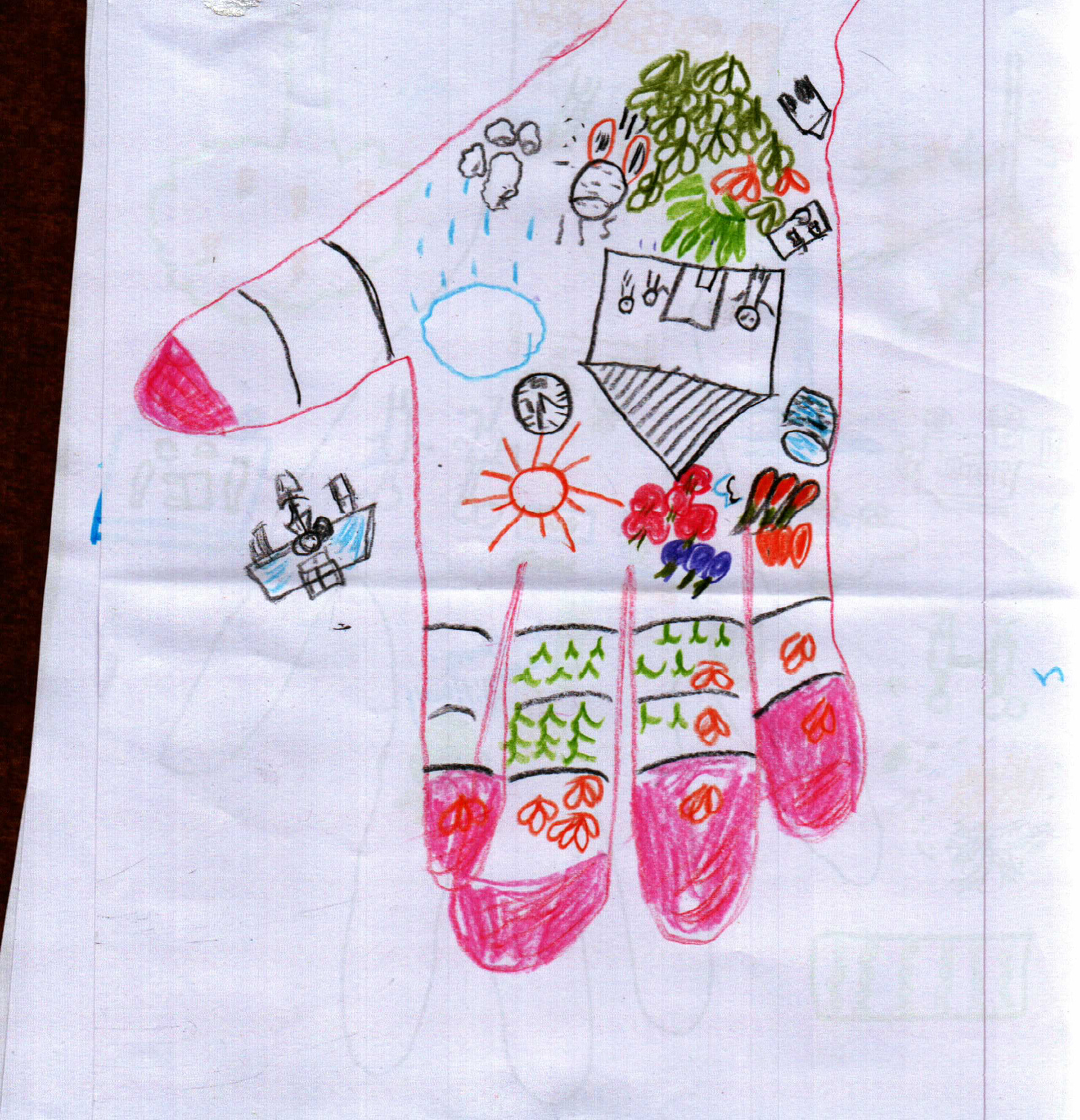
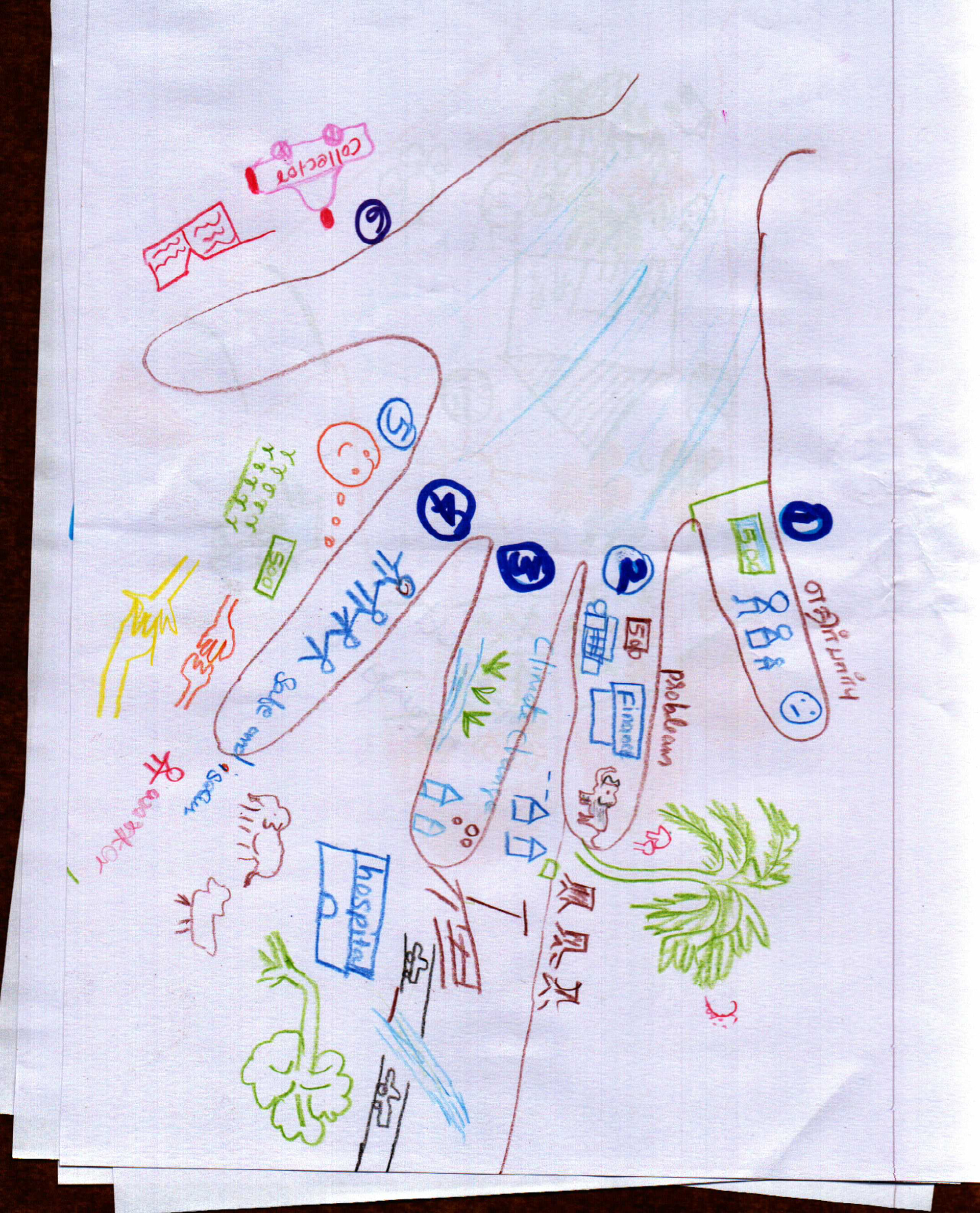
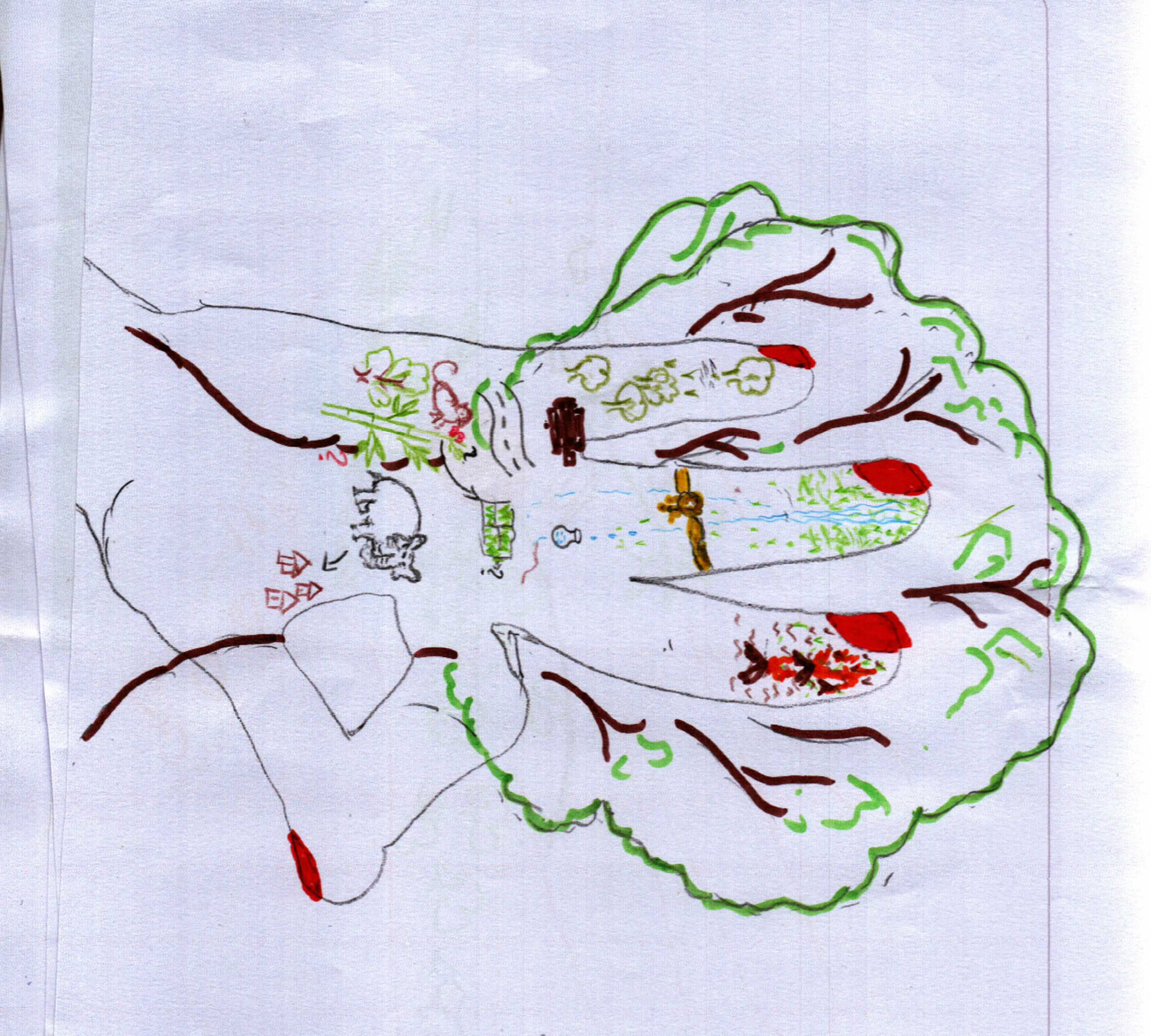
This project deepened my interest in participatory design approaches that position communities not as recipients of expertise, but as co-creators of strategy, learning, and systems change.
Working across language, geography, and cultural context reinforced the importance of facilitation practices rooted in trust, collaboration, adaptability, and collective meaning-making.